

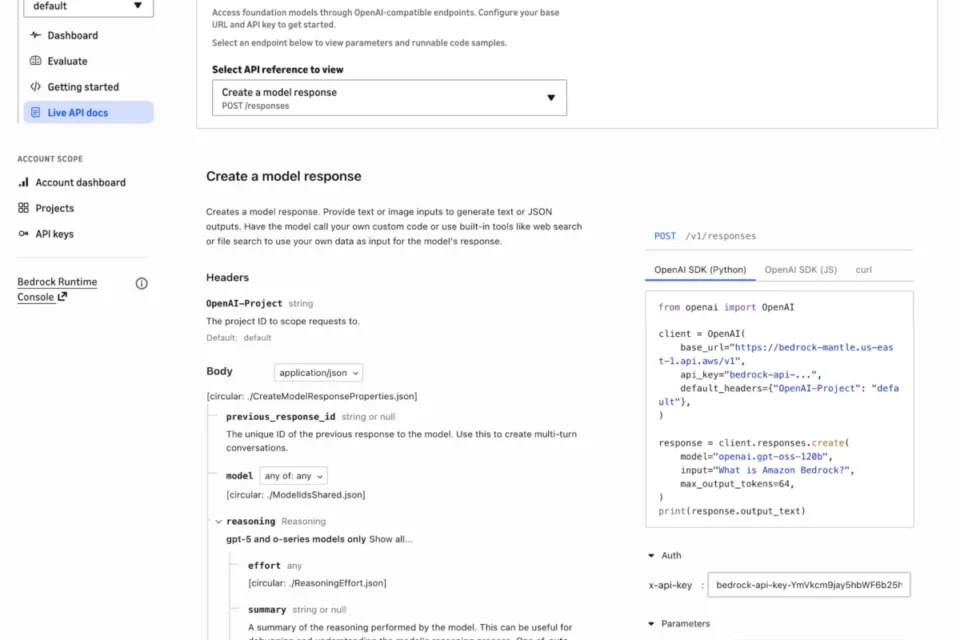
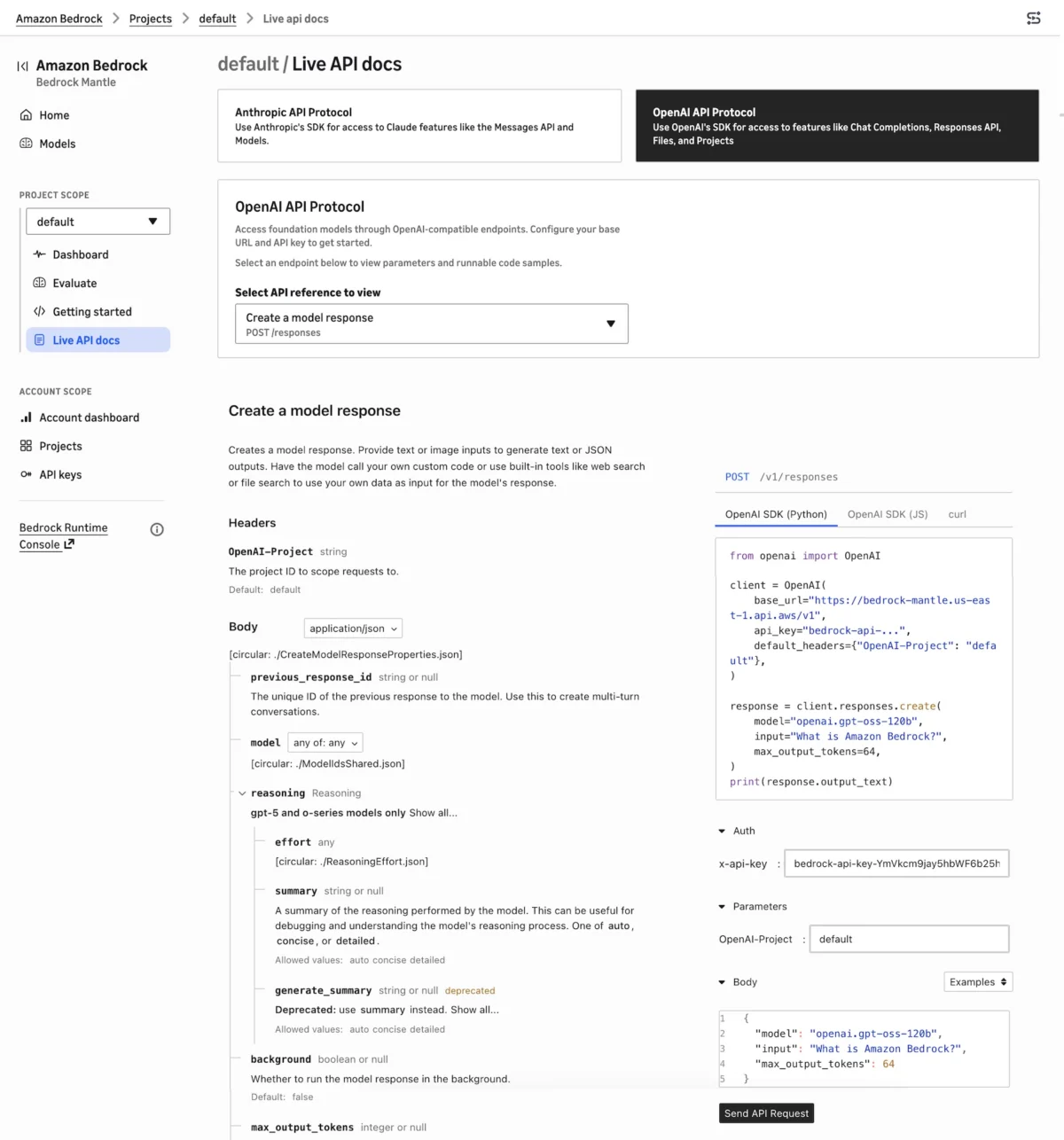
In a significant leap forward for cloud-based artificial intelligence development, Amazon Web Services (AWS) has announced the launch of a refreshed, high-performance console experience for Amazon Bedrock. This update is specifically engineered to streamline the end-to-end lifecycle of generative AI applications—from initial experimentation and model evaluation to full-scale production deployment.
The new interface, built around the bedrock-mantle inference engine, promises to provide developers with unparalleled reliability, speed, and security. By integrating native support for OpenAI-compatible APIs and the Anthropic Messages API, AWS is effectively lowering the barrier to entry for developers who wish to harness the power of top-tier foundation models while maintaining the enterprise-grade governance associated with the AWS ecosystem.
The Core Transformation: Efficiency and Developer Velocity
The primary objective of this console overhaul is to accelerate "time-to-value." For many organizations, the friction involved in testing different foundation models—moving from a prototype in a notebook to an API-integrated production service—has been a bottleneck.
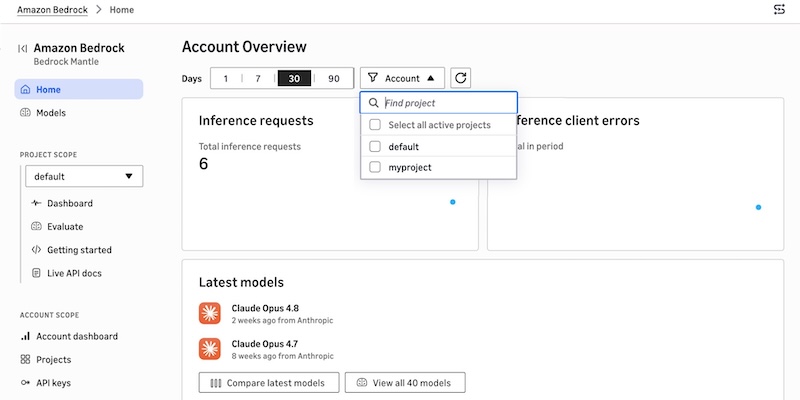
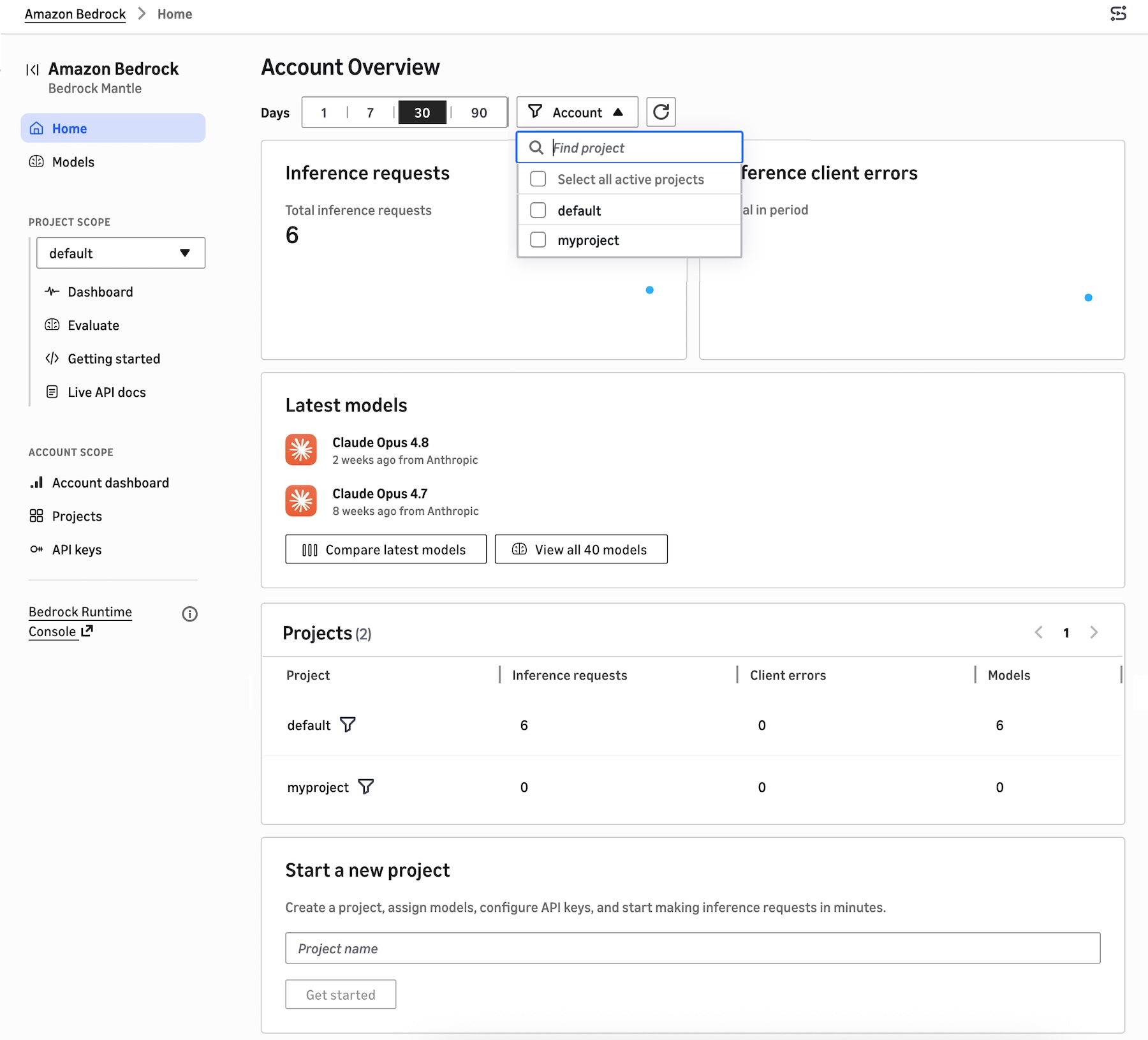
The new bedrock-mantle engine serves as the backbone of this initiative. By optimizing the infrastructure for high-performance inference, AWS is ensuring that developers can iterate on GPT, Claude, and various open-weight models without the overhead typically associated with manual infrastructure management. The console introduces a project-based workflow that allows teams to silo their efforts, manage credentials, and monitor performance metrics in a centralized dashboard.
Key Functional Improvements
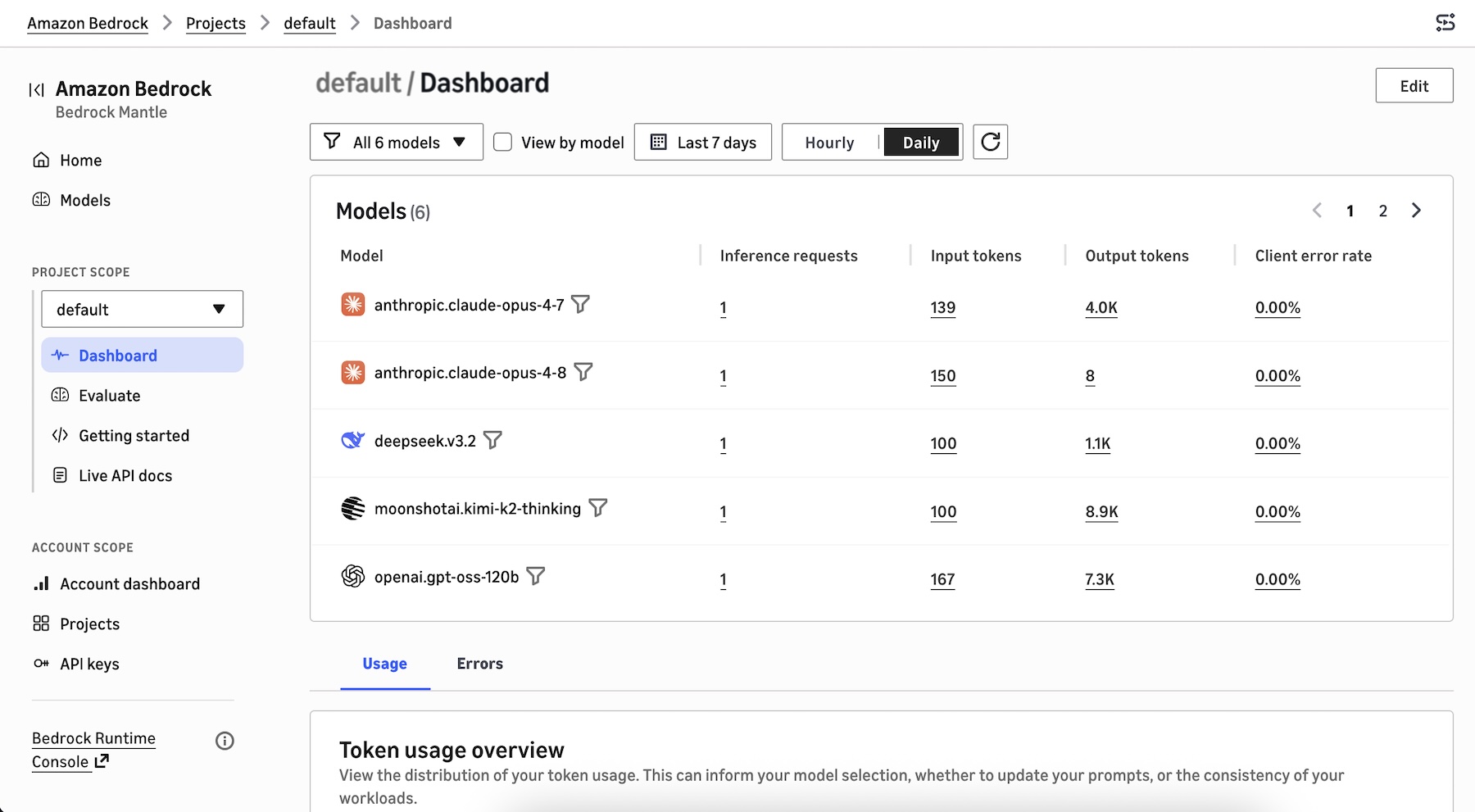
- Centralized Project Dashboard: A bird’s-eye view of inference requests, error rates, and model distribution.
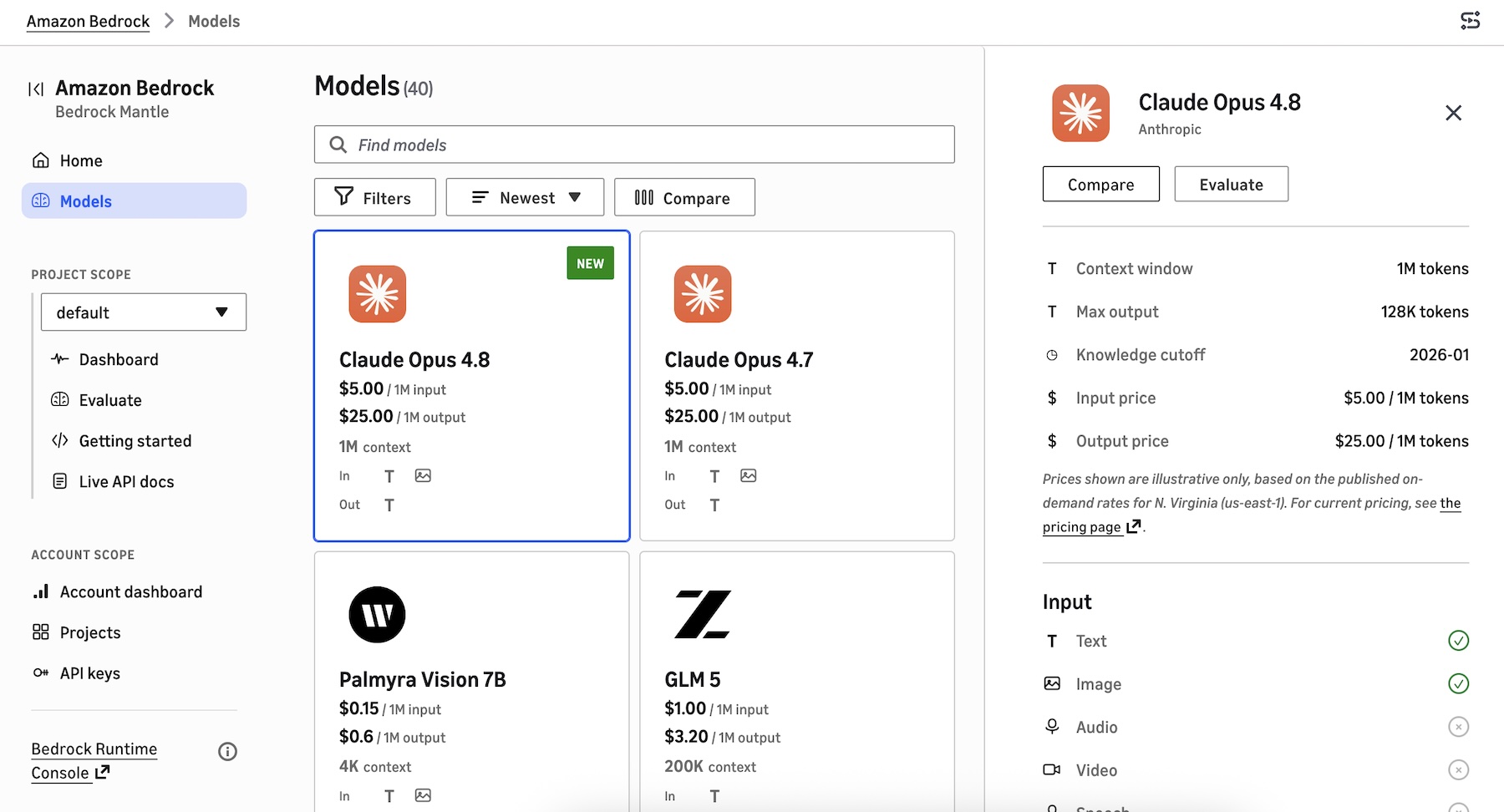
- Unified Model Catalog: A comprehensive repository featuring detailed metadata, including pricing, input/output structures, and regional availability.
- Side-by-Side Evaluation: The ability to pit up to three models against one another using identical prompts to assess output quality and performance variance.
- Developer-Friendly Integration: Built-in SDK configuration tools that generate environment-ready code snippets for immediate testing.
A Chronology of AWS Bedrock’s Evolution
To understand the magnitude of this update, one must look at the trajectory of Amazon Bedrock since its inception.
- Initial Launch: AWS introduced Bedrock to provide a "serverless" experience for building generative AI apps, focusing on proprietary models like Amazon Titan and third-party partners like Anthropic.
- Expansion of Model Diversity: Over the subsequent quarters, AWS aggressively expanded its model catalog to include Meta’s Llama series, Mistral, and others, signaling a shift toward an "agnostic" platform strategy.
- The "Mantle" Era (Current): With the introduction of the
bedrock-mantleendpoint, AWS is pivoting toward deep compatibility. By supporting the OpenAI API standard, AWS is acknowledging the industry’s de facto standard for model interaction, allowing developers to switch providers or integrate Bedrock into existing stacks with minimal code changes. - Console Refresh: Today’s announcement represents the UX culmination of this strategy—moving from a feature-rich, albeit complex, management tool to a developer-centric workspace that prioritizes flow and utility.
Supporting Data: Why "Mantle" Matters
The technical architecture underlying this update is designed to handle the rigorous demands of enterprise-scale generative AI. Data transparency is a central pillar of the new console. By providing granular visibility into token usage, developers can now optimize their applications with precision.

Token Consumption Analytics
The new project dashboard provides:
- Total Token Usage: Aggregated data for cost projection.
- Tokens Per Minute (TPM): Vital for understanding throughput capacity.
- Inference Requests Per Minute: Key for identifying potential rate-limiting bottlenecks.
- Tokens Per Inference: Essential for prompt engineering and refining efficiency.
This data-driven approach allows organizations to make informed decisions regarding model selection. For instance, a company might find that a smaller, open-weight model provides sufficient performance for 80% of their use cases, allowing them to shift high-cost, high-parameter models to only the most complex tasks, thereby optimizing their overall AI spend.
Official Perspective: Simplifying the Path to Production
In the official announcement, AWS leadership emphasized that the new console is not merely a cosmetic update but a functional redesign based on user feedback. The goal is to provide a "frictionless bridge" between the curiosity of a developer experimenting with a prompt and the reality of a production-grade application serving millions of users.
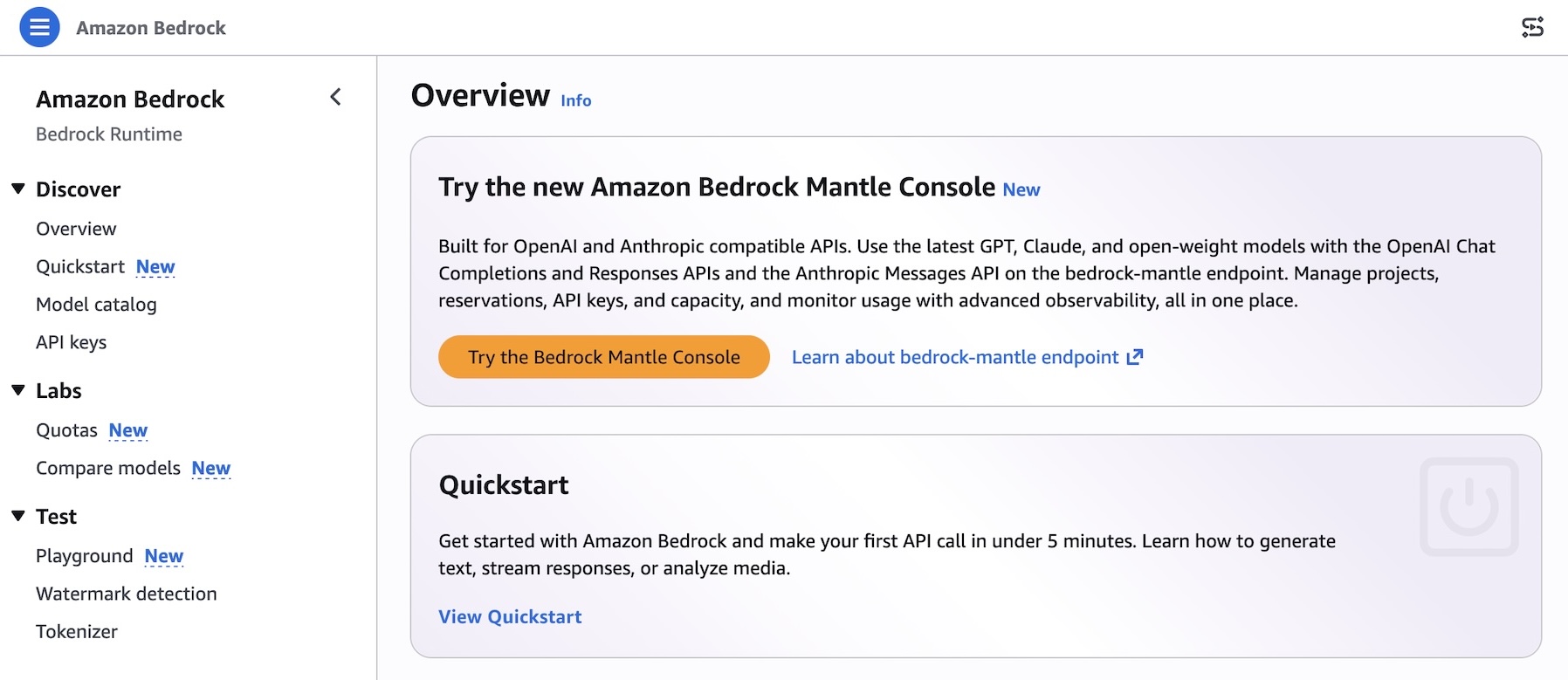
"The new console experience makes it simple to find the right model and move quickly from evaluation to production," the company noted. By enabling developers to migrate existing codebases—whether they were originally written for the Anthropic SDK or the OpenAI SDK—AWS is positioning Bedrock as the definitive home for multi-model AI architectures.
Furthermore, the integration of AI coding assistants like Claude Code, Cursor, and others directly into the console workflow reflects a modern "AI-first" development lifecycle. By providing pre-configured environment variables and IAM-secure pathways for these agents, AWS is streamlining the setup process, which previously could take hours of configuration, down to a matter of minutes.
Implications for the AI Industry
The implications of this update are far-reaching for three key segments of the tech industry:
1. The Enterprise Developer
For large organizations, the main barrier to AI adoption is security and compliance. By keeping the bedrock-mantle workflow within the familiar AWS IAM and VPC infrastructure, businesses can adopt cutting-edge models without sacrificing their security posture. The ability to use standard API protocols means that "vendor lock-in" is reduced; companies can build their logic once and swap model backends as newer, more efficient models are released.
2. Independent Software Vendors (ISVs)
ISVs building SaaS applications on top of Bedrock now have a much clearer roadmap for scaling. The ability to compare models side-by-side within the console removes the "guesswork" from feature development. If a developer needs to improve the summarization accuracy of their product, they can use the side-by-side evaluation tool to test three different models in real-time, drastically reducing the research and development phase.
3. The Competitive Landscape
AWS is effectively throwing down the gauntlet to other cloud providers. By embracing the OpenAI API protocol, AWS is essentially telling the developer community: "You don’t need to choose between your preferred API standard and the security of the AWS cloud." This strategy is likely to accelerate the migration of AI workloads from disparate, standalone API providers to the consolidated, high-reliability environment of AWS.
Regional Availability and Future Outlook
The new bedrock-mantle console is already live across a significant portion of the global AWS infrastructure. Supported regions include:
- North America: US East (N. Virginia, Ohio), US West (Oregon).
- Asia-Pacific: Jakarta, Mumbai, Sydney, Tokyo.
- Europe: Frankfurt, Ireland, London, Milan, Stockholm.
- South America: São Paulo.
AWS has indicated that this is an ongoing project, with further regional expansion and model support planned. The platform’s commitment to "live API documentation"—which updates dynamically as developers change their project settings—suggests that AWS is prioritizing the developer experience (DX) as much as the underlying compute power.
How to Get Started
Developers can access the new environment by logging into the standard AWS console and selecting "Try the Bedrock Mantle Console." From there, the workflow is designed to be intuitive: create a project, select a model, configure authentication, and begin sending requests.
As the industry moves away from the "hype phase" of generative AI and into the "execution phase," tools like the new Bedrock console will be the defining factor for companies that succeed. By focusing on observability, ease of integration, and rapid iteration, AWS is not just hosting models; it is building the infrastructure for the next generation of intelligent software.
For those currently integrating AI into their workflows, the message from AWS is clear: the path from an idea to a deployed, scalable, and secure AI application has never been shorter. Developers are encouraged to share their feedback via the AWS re:Post community, ensuring that this tool continues to evolve in lockstep with the needs of the global engineering community.